Prompt Engineering Mastery: Getting the Best from AI Models
Learn how strong prompts create stronger outcomes, with frameworks that improve accuracy, tone, and reliability without sounding robotic.
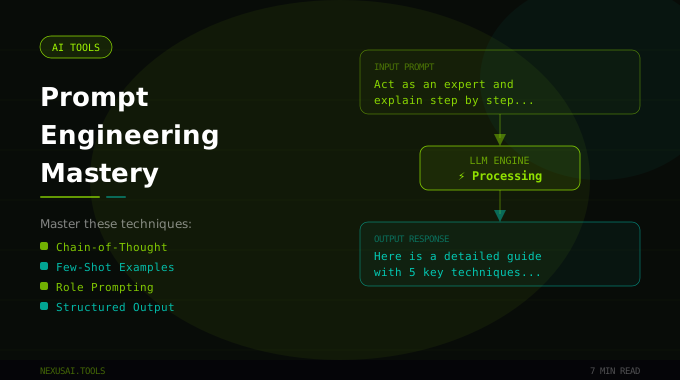
Prompt Engineering Mastery
Prompt engineering is not about finding one magical phrase that unlocks the model. It is the discipline of giving the model enough context, constraints, and direction to produce work that is genuinely useful. Premium results usually come from better briefing, not longer prompting.
Good Prompts Behave Like Good Briefs
The most effective prompts often resemble the kind of instructions you would give a strong teammate. They explain:
- the goal
- the audience
- the output format
- the constraints
- the quality bar
Weak prompts ask for an answer. Strong prompts define the job.
Specificity Beats Cleverness
Many users overestimate style tricks and underestimate clarity. In practice, better outputs usually come from being concrete:
- "Write a landing page" is vague.
- "Write a landing page for a bookkeeping service targeting restaurant owners, with a calm and trustworthy tone" is usable.
The model performs better when the task has shape.
Context Is the Real Multiplier
If you want better answers, give better ingredients. Include source notes, rough drafts, examples, constraints, and failure cases. Models are dramatically more reliable when they can work from your material instead of guessing what you meant.
One of the highest-value prompt upgrades is to say:
- what success looks like
- what to avoid
- what evidence or input the model should rely on
A Practical Framework
When I want high-quality output, I use a simple structure:
Role
Tell the model who it is for this task.
Objective
Define exactly what needs to be produced.
Context
Paste the facts, references, or source material.
Constraints
State tone, format, length, and exclusions.
Review
Ask the model to self-check against the brief before finalizing.
That final review step often catches the most preventable mistakes.
Prompting for Premium Work
If the output is public-facing, prompt for judgment, not just generation. Ask the model to:
- surface assumptions
- identify weak sections
- tighten repetition
- raise the sophistication of the language
That moves the workflow from "content production" to "editorial refinement."
Final Thought
Prompt engineering matters because AI follows the quality of direction it receives. The better you frame the problem, the better the model can help solve it. Mastery is less about secret formulas and more about clear thinking translated into clear instructions.